Wollongong Arborist Reports by Council Ward
Need an Arborist Report for a Development Application, tree removal or Health & Safety Tree Assessment in Wollongong?
Wollongong Tree Permit Services prepares Council-ready Arborist Reports throughout the Wollongong Local Government Area for Development Applications, Arboricultural Impact Assessments, tree removal matters, Health & Safety Tree Assessments and construction projects involving protected trees. Reports are prepared by consulting arborists holding the Level 5 Certificate in Horticulture/Arboriculture (or equivalent) that Wollongong Council’s Chapter E17 requires for this work.
Whether you’re building a new home, extending an existing property, managing a construction project or seeking Council approval for tree work, we can determine the arboricultural documentation required before you proceed.
With 32+ years’ arboricultural experience, we assist homeowners, architects, builders, developers, strata managers and property managers throughout the Wollongong LGA.
Which Arborist Report Do You Need?
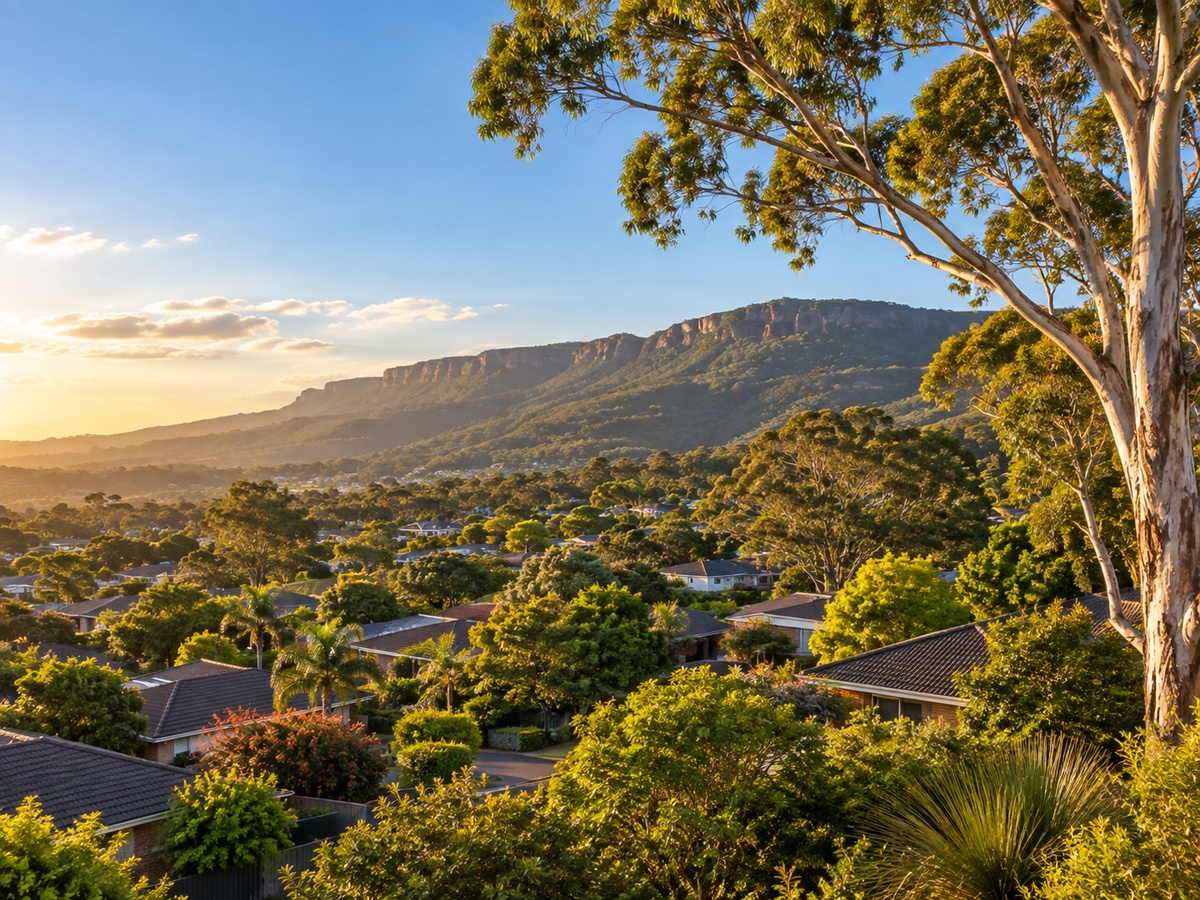
New homes, renovations and construction around retained trees occur throughout Wollongong, but the arboricultural issues change considerably across the three Council wards.
Ward 1
The northern part of the LGA, from Helensburgh and the escarpment villages through Thirroul, Bulli, Corrimal and Woonona, plus the northern portions of Fairy Meadow, Balgownie and North Wollongong.
View Ward 1 Arborist ReportsWard 2
Wollongong’s city centre and surrounding established suburbs, including Keiraville, Gwynneville, West Wollongong, Mount Kembla and Figtree, extending south to Unanderra.
View Ward 2 Arborist ReportsWard 3
The Lake Illawarra catchment and southern LGA, Port Kembla, Warrawong, Berkeley, Dapto, Koonawarra and the growth corridor toward Horsley and Wongawilli.
View Ward 3 Arborist ReportsSome suburbs sit across a ward boundary, see each ward page for the exact split.
Why Choose Wollongong Tree Permit Services?
We prepare arboricultural documentation for tree and development matters throughout the Wollongong LGA, backed by Arbor Express and 32+ years’ arboricultural experience.
- Consulting Arborists holding the Level 5 Certificate in Horticulture/Arboriculture (or equivalent) required under Chapter E17
- Council-ready Arborist Reports
- DA Arborist Reports and Arboricultural Impact Assessments
- Tree Removal Reports and Health & Safety Tree Assessments
- TPZ and SRZ assessments
- Tree Protection Plans, with AQF Level 5 Arborist certification at construction stage per Section 13.4
- Root Investigation & Mapping
- Project Arborist services
- Fast-track reports available for urgent projects
Wollongong DCP 2009 Chapter E17 allows Council to require an Arborist Report and sets out, at Section 12.5, who may prepare one; construction-stage certification is a separate requirement under Section 13.4.
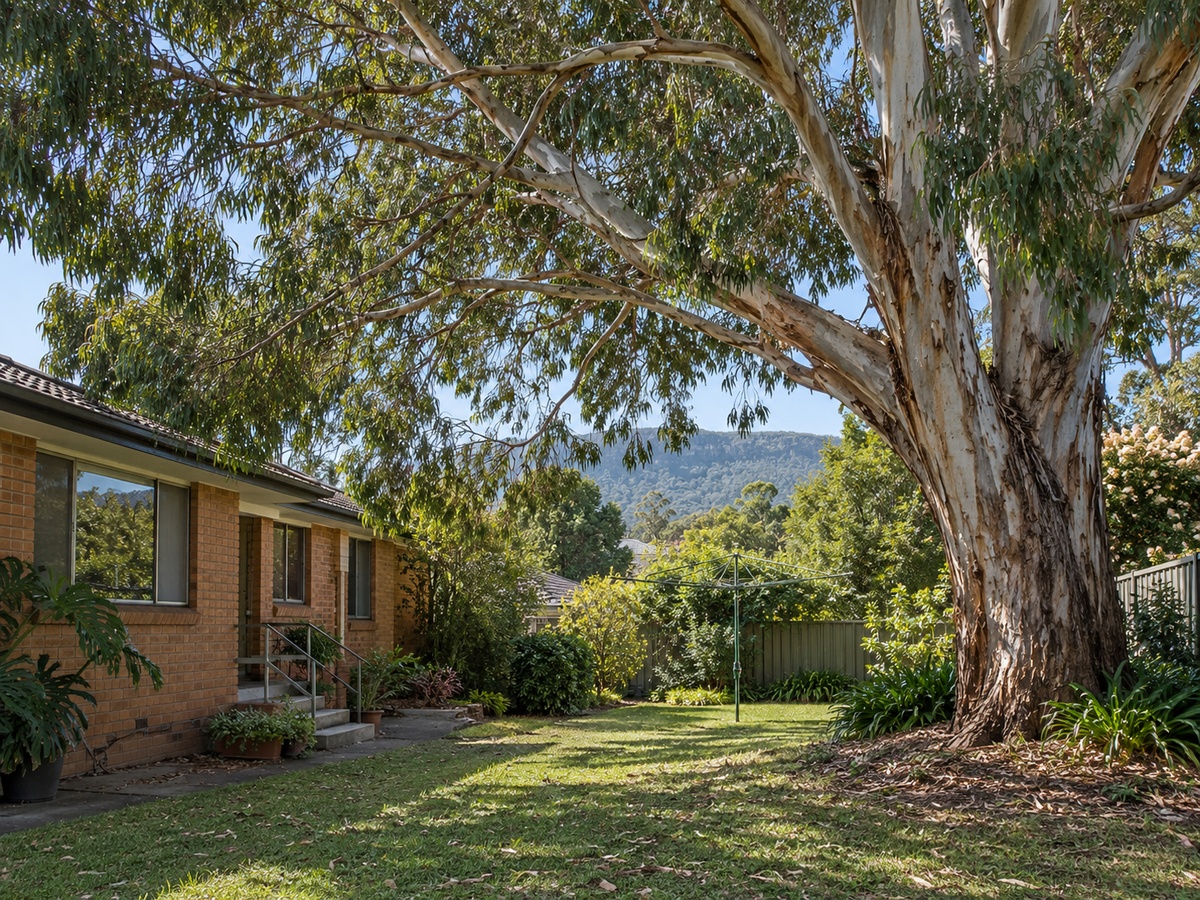
Our Wollongong Arborist Services
- DA Arborist Reports & Arboricultural Impact AssessmentsFor developments affecting existing, neighbouring or Council-managed trees.
- Health & Safety Tree AssessmentsFor trees showing decline, decay or structural defects.
- Tree Removal ReportsArboricultural evidence for Council tree removal matters.
- Root Investigation & MappingLocating roots before excavation or design work.
- Tree Protection Plans & Project Arborist ServicesProtecting retained trees through construction.
Wollongong Council Wards We Service
Ward 1: Northern Wollongong
Helensburgh, Otford, Stanwell Tops, Stanwell Park, Coalcliff, Clifton, Scarborough, Wombarra, Coledale, Austinmer, Thirroul, Bulli, Woonona, Russell Vale, Corrimal, East Corrimal, Bellambi, Towradgi, Tarrawanna, plus the northern parts of Balgownie, Fairy Meadow and North Wollongong.
Ward 1 stretches from the northern villages and bushland interfaces around Helensburgh and Stanwell Park through the narrow coastal corridor to the established northern suburbs. Steep escarpment sites, bushland boundaries, coastal exposure and established mature trees can all influence tree removal and development assessments.
Ward 2: Wollongong & Central Wollongong
Wollongong, West Wollongong, Keiraville, Gwynneville, Mount Kembla, Mount Keira, Mangerton, Mount Saint Thomas, Figtree, Unanderra (part), plus the southern parts of Fairy Meadow, Balgownie and North Wollongong.
Ward 2 contains the Wollongong urban centre together with established residential areas between the coastline and escarpment. Higher-density development around the CBD and university, constrained residential blocks, mature street trees, slopes and retaining walls make early tree assessment particularly useful when planning development.
Ward 3: Dapto & Southern Wollongong
Dapto, Horsley, Wongawilli, Berkeley, Port Kembla, Primbee, Cringila, Windang, Warrawong, Koonawarra, Kanahooka, Brownsville, Cleveland, Penrose, Kembla Grange, Kembla Heights, Yallah, Coniston, Spring Hill, Lake Heights, Dombarton, Farmborough Heights (part), Unanderra (part).
Ward 3 combines established southern suburbs with the Dapto growth corridor, new subdivisions, larger development sites, remnant trees and areas close to Lake Illawarra.
Because ward boundaries follow electoral rather than suburb lines, a property near a boundary should be checked using Council’s ward search rather than relying on the suburb name alone.
Looking for an Arborist Report in Wollongong, Figtree, Fairy Meadow, Corrimal, Bulli, Thirroul, Helensburgh, Dapto, Horsley, Berkeley or Port Kembla?
Select your ward above, or contact us with the property address and we’ll confirm the appropriate service.
Frequently Asked Questions
Which Wollongong Council ward is my property in?
Wollongong City Council has three wards. If your property is close to a ward boundary, send us the address or check Council’s ward map before relying solely on the suburb name.
Do I need Council approval to remove a tree?
Many Wollongong trees require approval. Under Chapter E17, a declared tree is one that is 5 metres or more in height OR 300mm or more in diameter measured at ground level. The pathway depends on the tree, land zoning, exemptions and whether the work is associated with development.
Is a dead tree automatically exempt?
No. Chapter E17 states that a Permit is also required for a dead or dying tree.
Do I use a Tree Permit if I am building?
Not necessarily. Where tree removal or impacts form part of development that requires a DA, the tree issue is addressed through the development process, Chapter E17 states a Permit is not suitable as a means of facilitating development.
What does an Arborist Report include?
Depending on the purpose, a report may address tree dimensions, species, health, structural condition, retention value, TPZ, SRZ, development impacts, tree protection and removal recommendations.
Do you prepare reports for builders, architects and developers?
Yes. We assist from early design and Development Application stages through to Tree Protection Plans, root investigation, Project Arborist inspections and construction-stage certification.
Wollongong Council Tree Guidelines
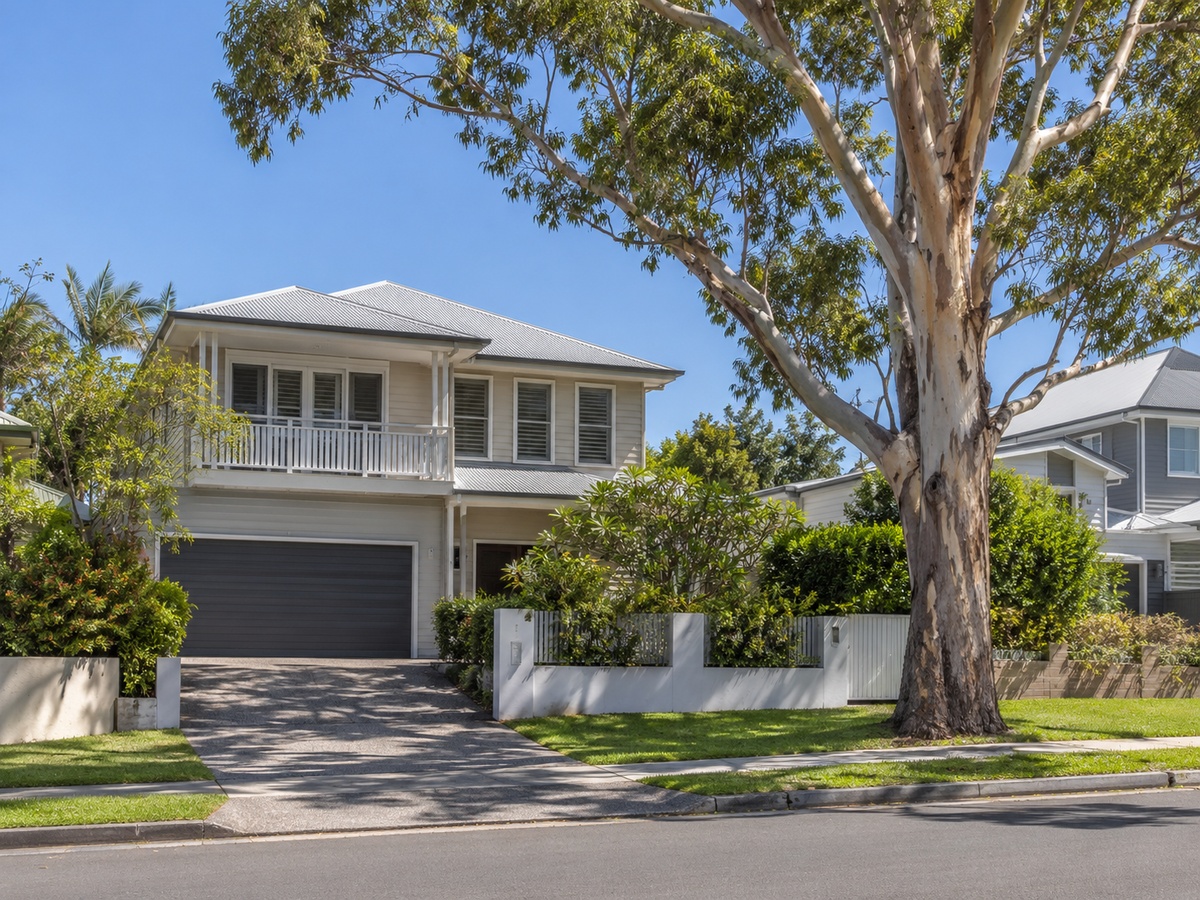
Wollongong DCP 2009 Chapter E17 regulates tree and vegetation removal, pruning and management throughout the LGA, establishing both Permit and Development Application pathways.
- A declared tree is 5 metres or more in height, or 300mm or more in diameter at ground level.
- Standalone tree work on non-rural land generally follows the Permit pathway where no development consent applies.
- Tree impacts associated with development requiring consent are dealt with through the DA process.
- Council may require an Arborist Report, tree survey and other specialist information.
- Council can require compensatory planting or other offsetting where vegetation removal is approved.
- Some species and circumstances are exempt, though exclusions apply for heritage items, threatened ecological communities, habitat, and trees required to be retained by consent.
Not Sure Which Ward You’re In?
Send us your property address and we’ll confirm your ward, the report you need and a fixed quote.
Get a Free Quote 0494 077 630